


Health on the Move: How a Telehealth Caravan in Dakar Brought Cardiovascular Care to Residents’ Doorsteps
Author: Marc Ryan, Editor Devex Health
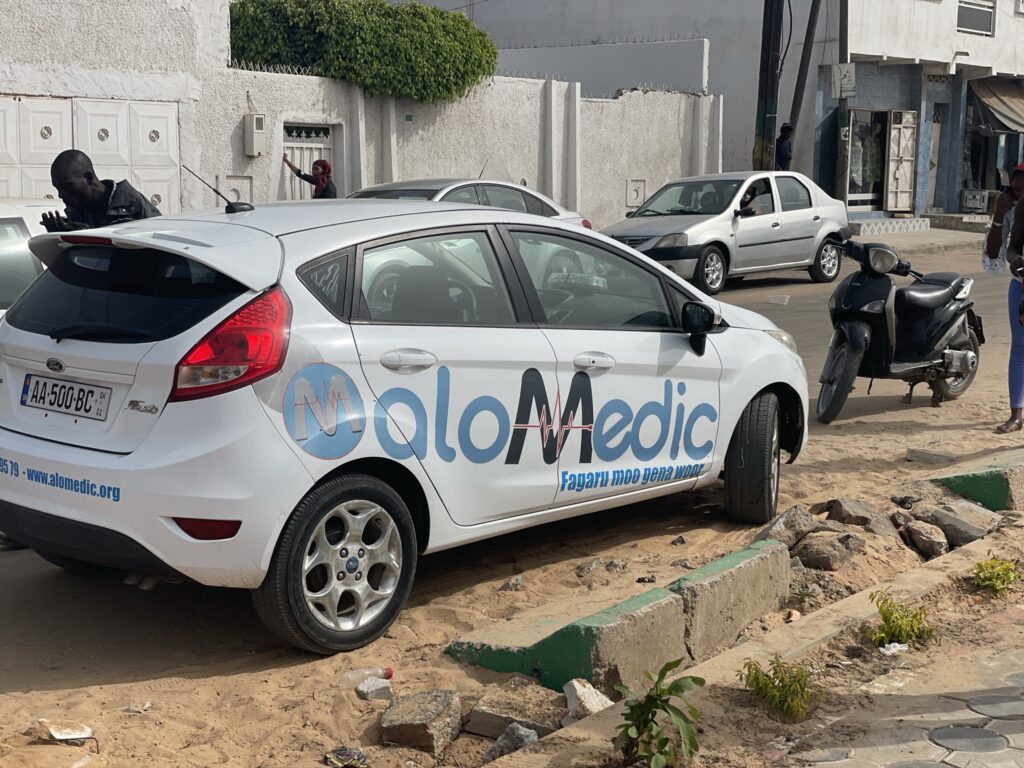
As African cities expand, ensuring equitable access to healthcare in dense urban communities remains a persistent challenge. In Dakar’s Patte D’Oie neighborhood, many residents face barriers to preventive care, particularly for chronic conditions like cardiovascular disease, which remains a leading cause of morbidity across the continent.
Recognizing the need for community-centered, technology-enabled solutions, aloMedic, in partnership with the Mayor’s Office of Patte D’Oie, local leaders, and neighborhood matriarchs, recently conducted a health caravan leveraging mobile care and telehealth to deliver cardiovascular screenings and specialist consultations directly to families in their homes.
A Collaborative Model Rooted in Community Trust
One of the event’s defining strengths was its ground-up planning approach. aloMedic worked closely with the Mayor’s Office, community leaders, and “neighborhood aunties”’matriarchs who serve as trusted connectors within households, to identify residents most in need of in-home medical visits.
This hyper-local engagement ensured that the initiative was culturally aligned, trusted, and well-coordinated, leading to high participation rates while strengthening relationships between residents and health teams.
Bringing Telehealth and Screenings to the Doorstep
Armed with aloMedic’s MLIV telemedicine suite and ALM mobile medical units, clinicians conducted door-to-door cardiovascular health checks throughout Patte D’Oie, screening residents for hypertension and other cardiovascular risk factors. For many households, it was the first formal cardiovascular evaluation received, eliminating the financial and logistical burden often associated with accessing care at distant clinics.
Specialist Care Without Leaving Home
A notable feature of the caravan was its integration of real-time telehealth consultations. Using MLIV, clinicians on-site connected residents with cardiovascular specialists in Dakar, enabling detailed evaluations and personalized advice without requiring patients to leave their homes.
This approach not only provided immediate insights for families but also showcased how telehealth can extend specialist care into community settings, filling critical gaps in urban healthcare delivery.
Measurable Community Impact
Over the course of the caravan, more than 350 households were visited, and residents received personalized consultations, preventive health education, and referrals for follow-up care when necessary. Residents learned about blood pressure management, dietary considerations, and lifestyle adjustments, empowering them to take active roles in managing their health.
Such proactive outreach demonstrates the potential of urban health caravans as scalable models for preventive care delivery in dense environments, combining technology with community trust networks to reach populations often missed by traditional facility-based care.
Lessons for Urban Health Innovation
Several key insights emerged from aloMedic’s health caravan in Patte D’Oie:
– Local Partnerships Matter: Trust from local government and community leaders is vital for mobilizing participation.
– Home-Based Care Breaks Barriers: Taking healthcare to residents reduces access barriers and encourages early detection.
– Telehealth Extends Specialist Access: Integration of telehealth allows frontline workers to deliver high-quality care without specialist shortages becoming a limiting factor.
– Education Enhances Sustainability: Preventive health education during screenings fosters long-term behavior change within communities.
Toward a More Equitable Urban Health Future
As Africa’s urban populations continue to grow, models like aloMedic’s telehealth-enabled mobile care caravans provide a practical, scalable approach for addressing chronic disease care in underserved neighborhoods. By blending technology with a strong commitment to community collaboration, these initiatives demonstrate how MedTech can advance health equity in urban settings while optimizing healthcare resources.
aloMedic’s experience in Patte D’Oie highlights the opportunity for policymakers, health system leaders, and MedTech innovators to rethink urban healthcare delivery,
bringing care directly to communities, building trust, and ensuring that no household is left behind in the pursuit of better health outcomes.
For ongoing analysis on MedTech and digital health initiatives reshaping care delivery in Africa, follow TMC Tealth News’s coverage via the DevEx Health blog.