


Decentralizing Healthcare in 2025: The Role of Telehealth in Rural Communities

Telehealth has redefined healthcare access for rural communities, enabling patients to connect with healthcare providers without the burden of travel or long wait times. Advances in broadband infrastructure and supportive policies have opened new doors, but challenges remain. Issues such as technology literacy, reliable connectivity, and local infrastructure gaps continue to limit the potential impact of telehealth in many underserved regions.
At ALOMEDIC, we’ve seen firsthand how purpose-built telehealth solutions can bridge these divides when they are designed with community realities in mind. Our MLIV telemedicine suite is optimized for low-resource environments, functioning effectively even in areas with inconsistent connectivity, while maintaining secure, HIPAA-compliant, and user-friendly interfaces for both clinicians and patients.
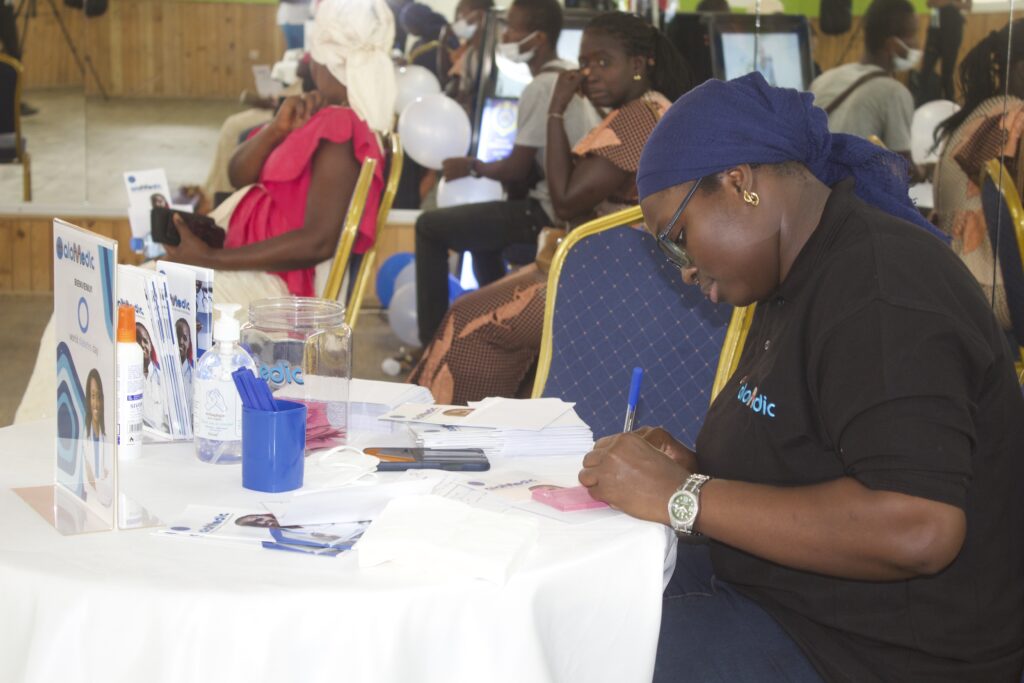
In addition to our platform, our mobile medical units extend care to the last mile, transforming community centers, schools, and village squares into temporary clinics equipped for preventive screenings, chronic disease management, and teleconsultations with specialists.
Technology, AI, and Local Partnerships: A Holistic Approach
Technology alone is not enough. At ALOMEDIC, we combine AI-powered early detection tools with local clinician partnerships to ensure care is timely, culturally relevant, and trusted by the communities we serve. Our AI models help detect conditions like hypertension, diabetes, and maternal health risks early, allowing local health workers to act swiftly with clear, data-driven guidance.
Local partnerships are critical. By training and collaborating with local healthcare providers, we ensure telehealth becomes an extension of existing health systems, not a parallel, disconnected service. This approach supports sustainability, capacity-building, and trust within the community.
The Opportunity Ahead: Moving from Stopgap to System
As we look toward 2025, the opportunity lies in decentralizing healthcare using telehealth while embedding it within community systems. Telehealth must move from a pandemic-era workaround to a sustainable pillar of rural healthcare delivery.
For this transition to succeed, continued policy support is essential, including investment in rural broadband, telehealth reimbursement, and digital literacy initiatives. At the same time, targeted innovation is needed to ensure telehealth solutions are adaptable, culturally appropriate, and technically resilient in challenging environments.
Key Takeaways for Building Sustainable Telehealth in Rural Areas:
– Invest in technology that adapts to rural realities.
Low-bandwidth optimization, offline capabilities, and culturally relevant workflows are non-negotiable for success.
– Partner with local health systems to ensure sustainability.
Telehealth should strengthen, not replace, local care systems.
– Use data to tailor interventions for community-specific needs.
Leverage insights to understand health trends, design preventive programs, and allocate resources effectively.
Why It Matters
The vision for rural healthcare is clear: timely, accessible, and equitable care for every community, regardless of geography. At ALOMEDIC, we believe that by integrating AI, telehealth, and a community-centered approach, we can transform healthcare from reactive to proactive, reduce health disparities, and empower local health systems to serve their populations with confidence.
Telehealth is not just a tool for convenience; it is a pathway to health equity and system resilience. As we move into 2025, let’s work together to ensure that telehealth becomes a trusted, sustainable solution for rural health systems worldwide.
Interested in bringing sustainable telehealth to your community or health system?
Contact Us to learn how MLIV and our tailored telehealth solutions can help you expand access to care where it’s needed most.